How many different vegetables do you eat? How many can you name? Do you know how they stack up, head to head against other veggies in a battle of nutritional value? Look no further, as we are going to take a look at exactly what nutrients your favorite vegetables offer and give you a snapshot guide of the best (and worst) greens.
What Do Nutrients Do??
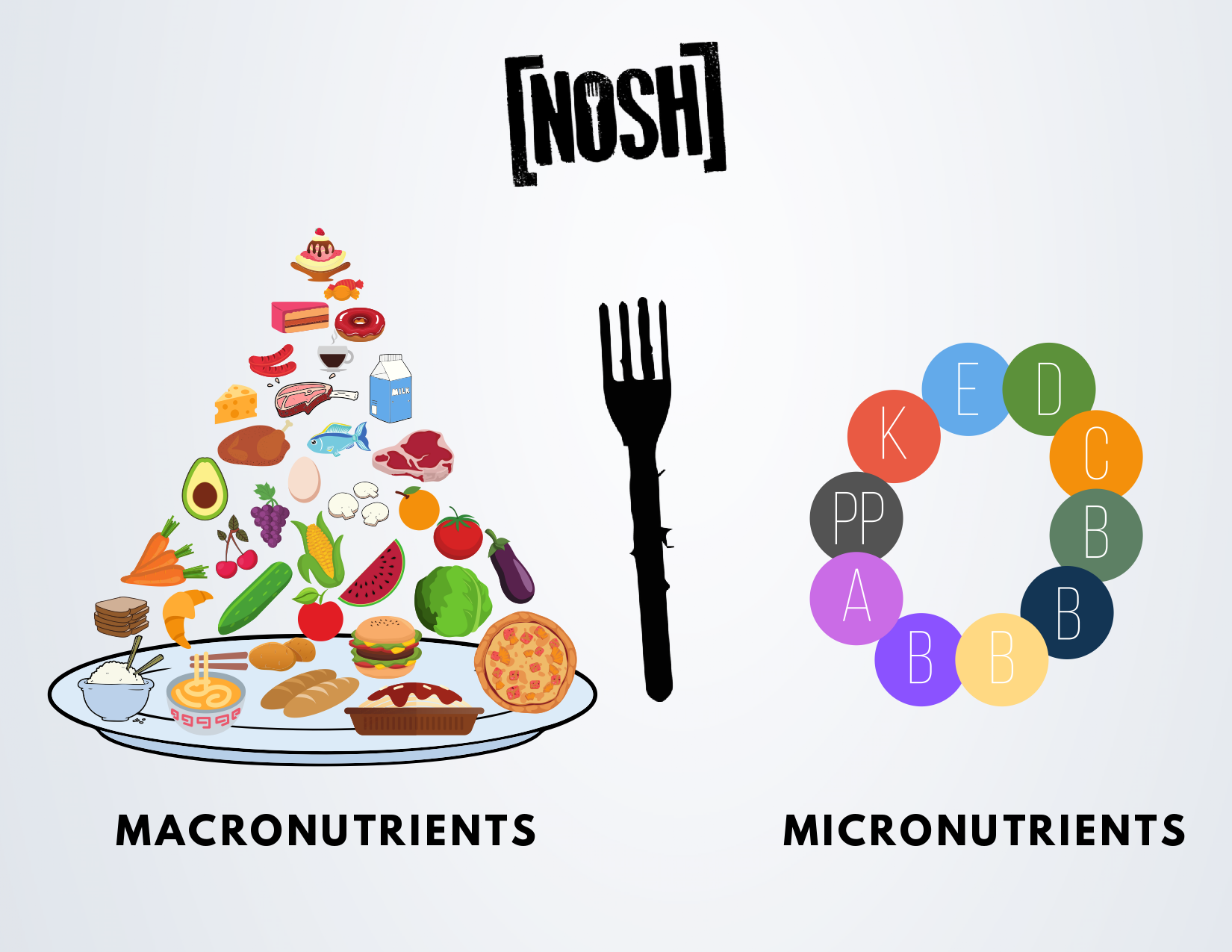
Before investigating our vegetables, we need to understand what each dietary nutrient does and why it’s important:
Fat-Soluble Vitamins
- Vitamin A: used for vision, immune function, skin health, reproductive health
- Vitamin D: helps in calcium absorption for bones, immunity, brain, and muscle function
- Vitamin E: Protects cells for damage and helps red blood cell formation
- Vitamin K: Essential for blood clotting
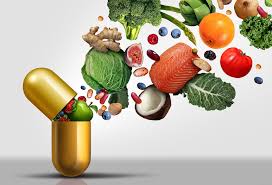
Water-Soluble Vitamins
- B Vitamin Complex (B1, 2, 3, 5, 6, 7, 9, 12): Crucial for energy production, nerve function, blood cells, DNA, and hormone production
- Vitamin C: Antioxidant, immunity, collagen formation, iron absorption
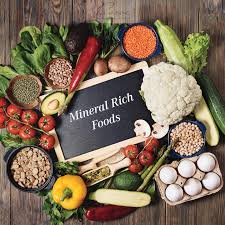
Important Minerals in Vegetables
Minerals such as Calcium, Magnesium, Potassium, Sodium, Chloride, Phosphorus, and many others are crucial components of bodily processes. Each has specific uses in growth, healthy function, and immune strength and are best obtained through a varied diet and some of the following vegetables:.
Most Nutritious Vegetables
- Broccoli
Broccoli is great with its abundance of Vitamin K, C, A, and Folate as well as other B vitamins. It also contains large amounts of Quercetin which is a great nutrient for managing blood pressure levels. Broccoli also has a high level of antioxidants as well and overall is incredibly nutritious
- Carrots
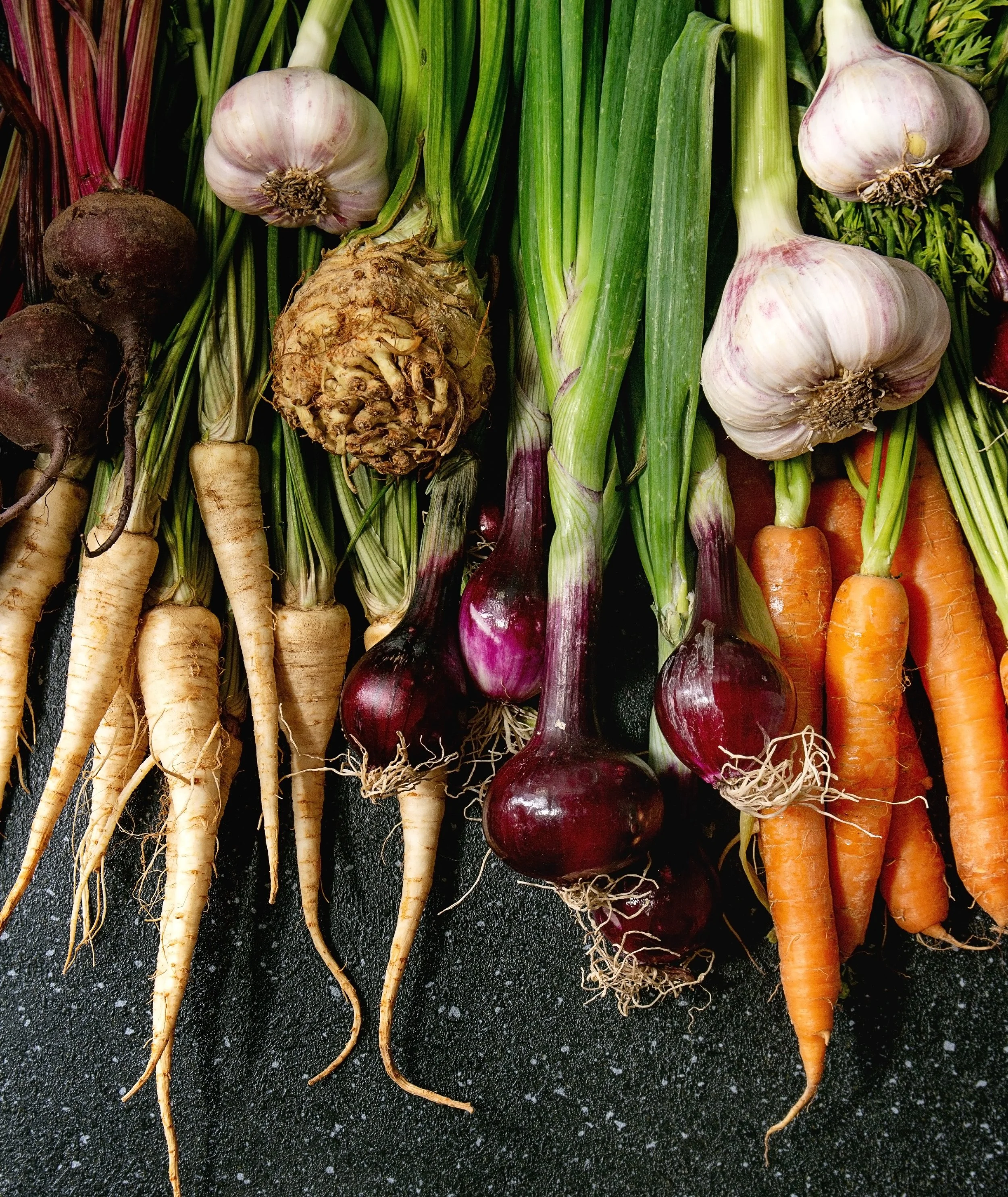
Carrots are low calorie, high fiber, and are the best source of carotenoids (hence the name) and Vitamin A around. They may help reduce risks of cancer and assist with managing blood pressure levels!
- Bell Peppers
Bell Peppers are a fantastic source of Vitamin C, Vitamin A, and a good spread of other nutrients all packed into a low calorie veggie. They do tend to retain more of their nutritional value when raw but still are healthy cooked.
- Kale
Kale has some of the highest micronutrient content of any vegetable with a ton of Vitamin K , A, and C and a variety of others. It is also more dense in a raw form but still is the best source of specifically Vitamin K (for blood clotting and bone growth) around.
- Spinach
Spinach comes in second place after Kale for Vitamin K and also provides abundant Vitamin A and Manganese which is essential for bone health and immune support. It can also help to manage blood pressure but comes at the drawback of being high in oxalates. Oxalates in excess can lead to kidney stones by binding to calcium but Spinach is still a top vegetable on the list.

Least Nutritious Vegetables
- Iceberg Lettuce
Iceberg Lettuce is 96% water. There’s still a few trace nutrients in there but for the most part it’s main use is to add some crunchy texture to your meal. Like everything else on this list, it’s not unhealthy but just not particularly nutrient dense.
- Pickles
Pickles only provide some amounts of Vitamin K and Sodium (from the brining process). There are some probiotics in there as well which may improve gut health but these guys wouldn’t be considered overly nutritious.
- Turnips
Turnips have a some antioxidants and may help regulate blood sugar but don’t have much else. They still are a tasty option and relatively low calorie despite their nutrient deficiency.
- Eggplants
Eggplant has some of the lowest micronutrient concentration out of the vegetable family. They do contain Nasunin which is an Anthocyanin known to protect brain cell membranes but don’t have much else going for them.
Pick Your Produce: Vegetables Are Good All Around!
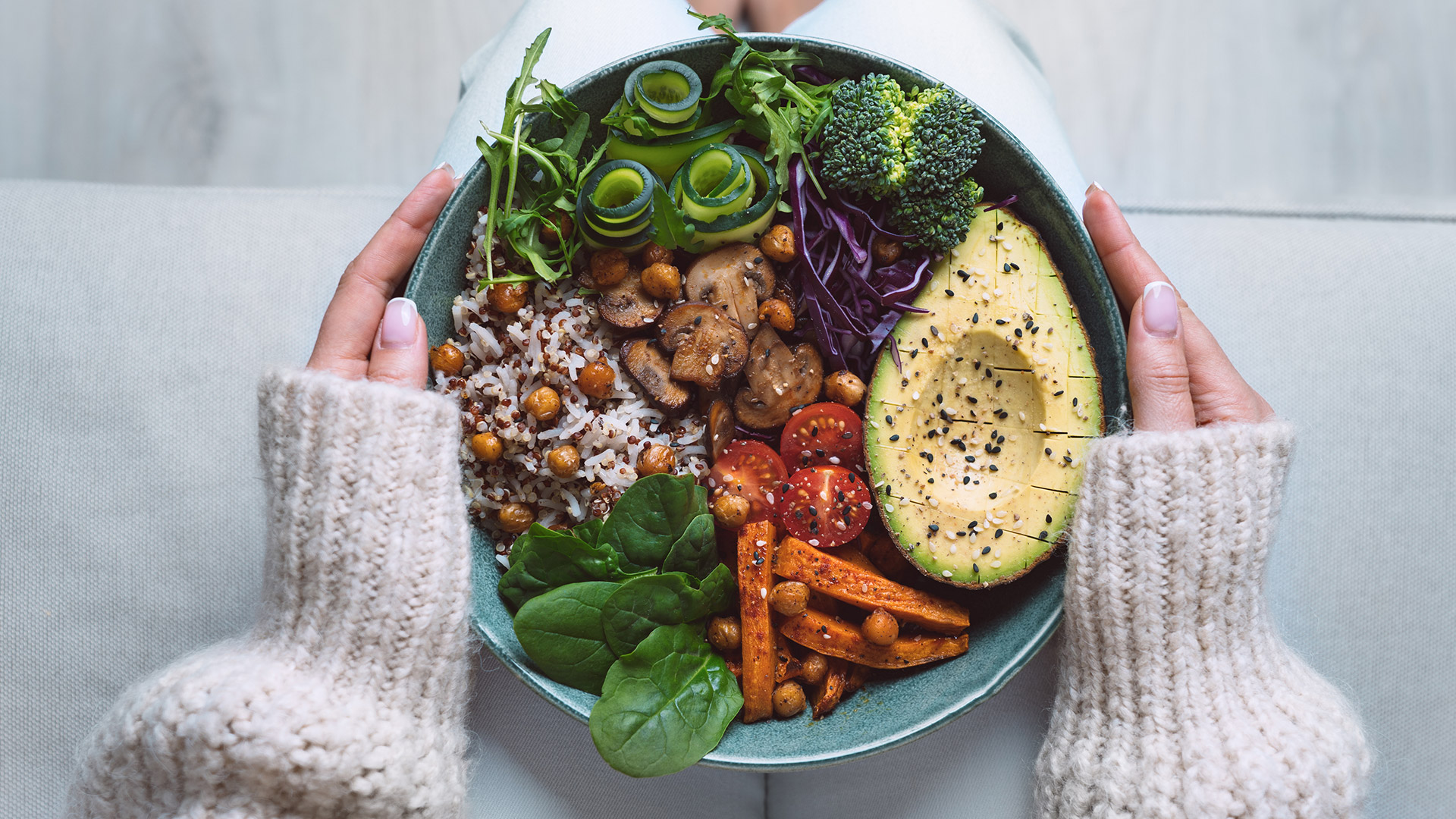
There is all types of vegetables out there and honestly, most of them are a good alternative to other snacks. Some are more nutrient dense than others but as long as you eat a balanced diet which you enjoy everything we mentioned above is a good option to include. Have a good variety of colors on your plate and you’re likely going in the right direction!
For more health and fitness info look here: