

Peptides have exploded onto the scene as the next major trend in fitness and health in 2026. Supporters rave about their muscle building, skin healing, anti-aging effects, but their safety is still unclear. Peptides are naturally occurring amino acids which facilitate important functions in many parts of the body. Researchers have been working on peptide compounds since the 1920s and may have some distinct advantages over other drugs. Let’s take a look at the current state of the research, what all the hype is about, and the big pros and cons behind these things.
What Exactly Are Peptides?
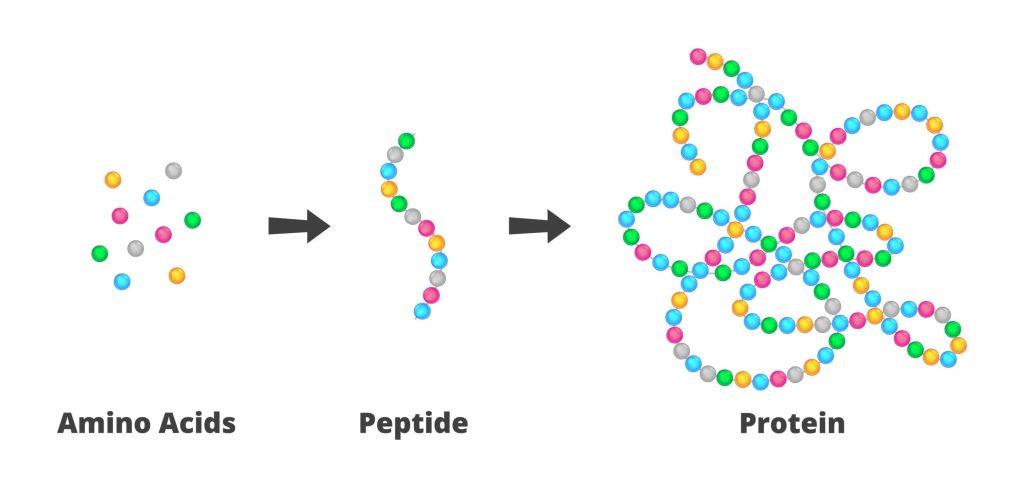
Let’s go back to the first synthetically produced peptide in 1921: insulin. Drawn from a cattle pancreas, the insulin was able to reduce Leonard Thompson’s blood glucose to normal levels and scientific interest in peptides emerged rapidly. Peptides are amino acids chains just like proteins but usually smaller (1-50 amino acids) in size. Fast forward to today, bioactive peptides are eaten, isolated from natural sources (eggs, meat, soy, oats, etc…), or artificially created for a wide scope of purposes such as:
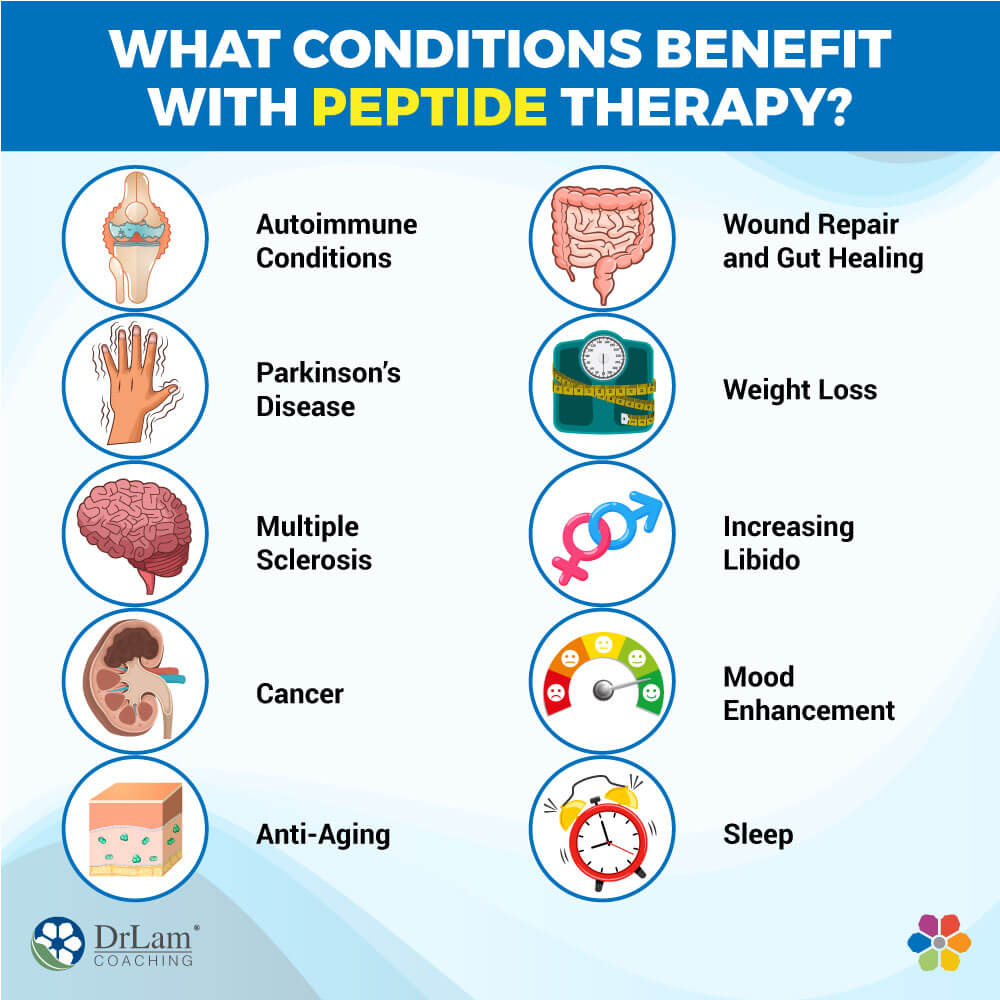
- Anti-aging collagen or collagen stimulating peptides for skin and joints
- Antimicrobial peptides (AMPs) which fight bacteria, heal wounds, and build stronger skin
- Muscle growth
- Fat loss
- Hair growth
- Bone loss
- Testosterone levels
Taken in a variety of ways (orally, creams, nasally, injection) there is still a lot of misinformation around efficacy, uptake, and safety with many peptides.
Exciting New Potential
Since 2000 there have been several dozen new peptides undergoing research and some show promise for a variety of situations:
- Cyclosporin is a immune suppression peptide which has shown great promise in antirejection organ medication
- Ziconotide may be a new extremely potent painkiller
- BPC-157 and TB-500 the “wolverine stack” may improve tissue healing
- Retrarutide may be the future for pharmaceutical weight loss and could be more effective than existing dual agonist drugs
Side Effects of Peptides
The FDA does not regulate supplements in the U.S. and you should always consult with your doctor before taking something new especially if pregnant or with a preexisting medical condition. The most common side effects include:
- Allergic reactions (hives, swelling, anaphylaxis)
- Heart problems or blood pressure issues
- Stomach problems
- Headaches, dizziness, mental fatigue
- Skin sensitivity or rashes
Before taking and peptides (or other things for that matter) make sure to do proper research. Understand where they’re coming from, proper dosing, and the active ingredients. Always be skeptical of claims that sound too good to be true and don’t get swept up in the hype of super performing peptides. Much like other health interventions, context is key. Peptides can play a powerful role in wellbeing through specific, intentional additions and can result in great outcomes when handled correctly.

So Should I Take Some Peptides??
The benefits of peptides is definitely real, but be careful injecting yourself at home with something unknown. Most of these compounds haven’t undergone long term research and are not FDA regulated at all. Sourcing, dosage, purity, and cleanliness are all concerns with any supplement and improper injections have their own complications as well. Beyond safety risks doing proper research on the efficacy of peptides is important as well to avoid sham sales of ineffective types. At the end of the day it’s up to every individual to judge the risks and benefits and we always highly recommend asking your doctor.
For more health and fitness advice look here: