

Never Too Old: How to Stay Healthy and Mobile at Any Age
Aging does not have to mean giving up your lifestyle. Lets explore practical strategies for staying healthy and mobile at any age, including the importance of proper nutrition, regular physical activity, resistance training, stress management, and maintaining strong social connections. By adopting healthy habits and making small, consistent lifestyle changes you can preserve strength, mobility, and happiness. Whether you’re approaching retirement or well into your later years, it’s never too late to invest in your health and enjoy a vibrant, fulfilling life.
Nutrition with Aging
As people age, proper nutrition becomes very important for maintaining overall health and quality of life. Changes in metabolism, appetite, and nutrient absorption are common as we age, making it essential to have a balanced diet with essential vitamins, minerals, protein, and fiber. Proper protein intake helps preserve muscle mass and strength. Calcium and vitamin D support bone health and reduce the risk of fractures. Eating a variety of fruits, vegetables, whole grains, and healthy fats can also help prevent chronic diseases such as heart disease, diabetes, and certain cancers. Additionally, staying hydrated is essential, as your sense of thirst can decrease with age. Good nutrition plays a key role in promoting independence, supporting immune function, and enhancing overall well-being throughout the lifespan.

Resistance Training for Mobility
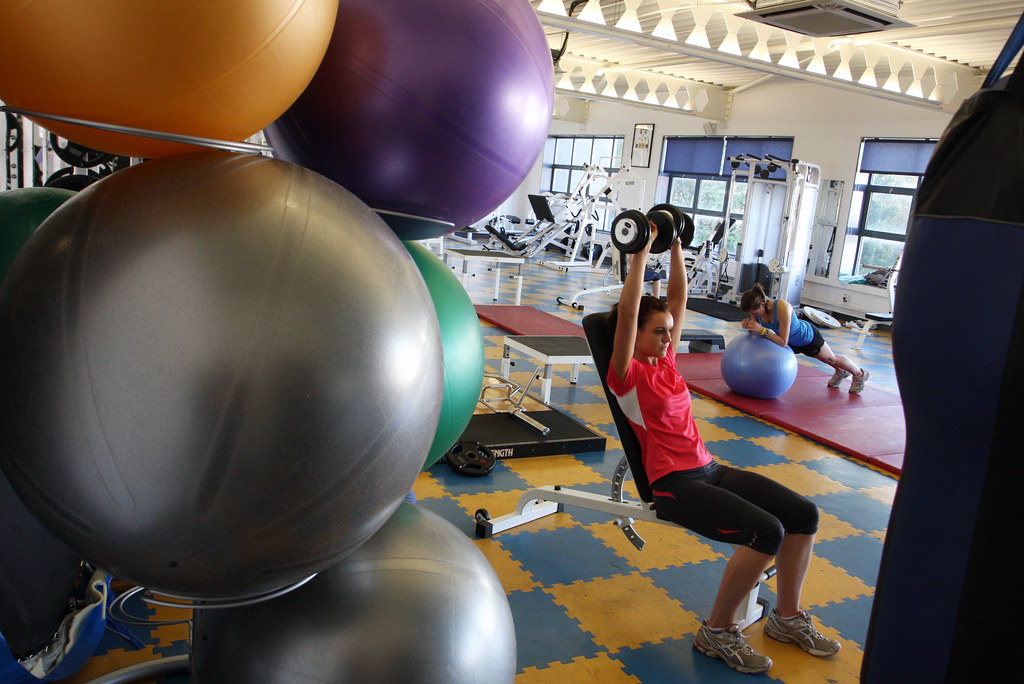
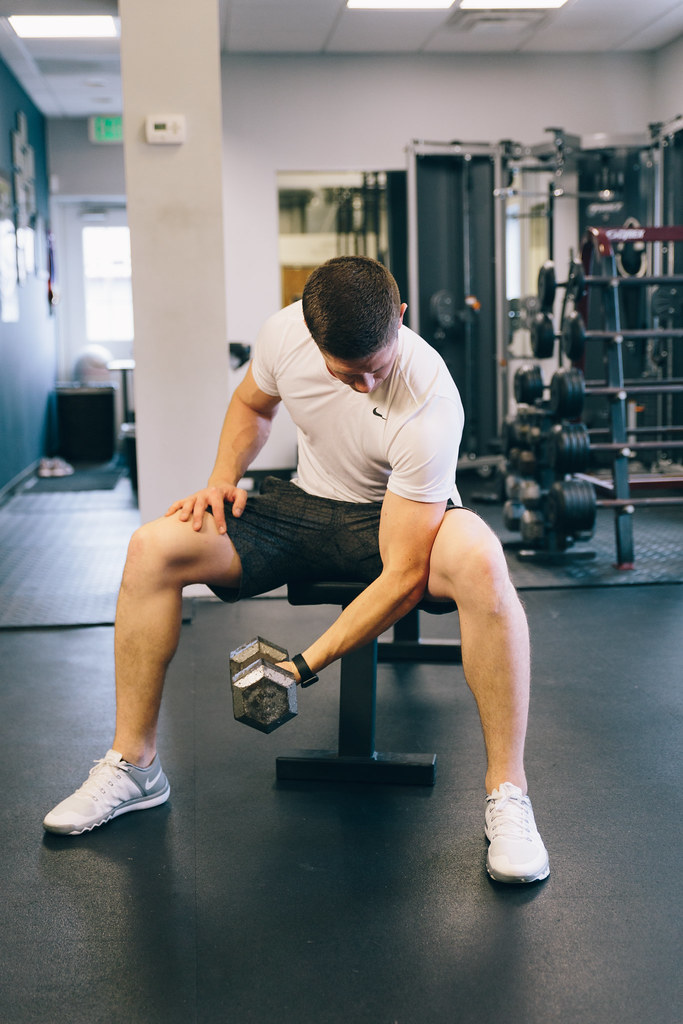
Resistance training is one of the most effective strategies for healthy aging and maintaining independence later in life. As people age, they naturally experience a decline in muscle mass and strength which can increase the risk of falls, mobility limitations, and loss of functional ability. Regular resistance helps counteract these age-related changes by preserving muscle tissue, improving strength, and enhancing balance and coordination. Beyond physical benefits, resistance training has also been linked to improved bone density, better metabolic health, and maintaining mental clarity. By incorporating strength-building exercises into a regular fitness routine, older adults can improve their quality of life, remain active, and maintain greater independence as they age.
Stress in Age
Stress management is an important component of healthy aging, as older adults often face unique challenges such as retirement, health concerns, and changes in daily routines. While stress is a normal part of life, chronic stress can negatively affect both physical and mental health contributing to issues such as high blood pressure, weakened immune function, anxiety, and depression. Developing effective coping strategies can help older adults maintain emotional well-being and improve their overall quality of life. Activities such as regular exercise, mindfulness meditation, social engagement, hobbies, and adequate sleep have been shown to reduce stress and promote resilience. By actively managing stress and prioritizing self-care, older adults can better navigate life’s transitions and enjoy a healthier, more fulfilling aging experience.
Social Relationships
Social connection plays a vital role in healthy aging as well. Maintaining meaningful relationships with family, friends, neighbors, and community members provides emotional support, reduces feelings of loneliness, and enhances quality of life. As people age, life transitions such as retirement, relocation, or the loss of loved ones can sometimes lead to social isolation, which has been associated with an increased risk of depression, cognitive decline, and chronic health conditions. Engaging in social activities, volunteering, joining clubs, or participating in community programs can help older adults stay connected and foster a sense of purpose and belonging. Strong social networks not only support mental and emotional health but also encourage healthier lifestyle behaviors, making social connection an essential component of successful aging.

Growing older is a natural part of life, but it does not mean sacrificing your happiness. The choices you make each day can have a significant impact on how you age. While no one can stop the aging process, everyone can take steps to age more successfully and maintain a high quality of life. Remember, healthy aging is not about perfection; it’s about making consistent, sustainable choices that support your physical, mental, and emotional well-being. No matter your age, today is the perfect time to prioritize your health and embrace the opportunities that come with living a longer, more active life.
To learn more about fitness and health check out these posts:
Strength Training Near Mill Creek!